
Interventional Nephrology
Advanced, Minimally Invasive Kidney Procedures With Precision, Safety & Care
What is Interventional Nephrology?
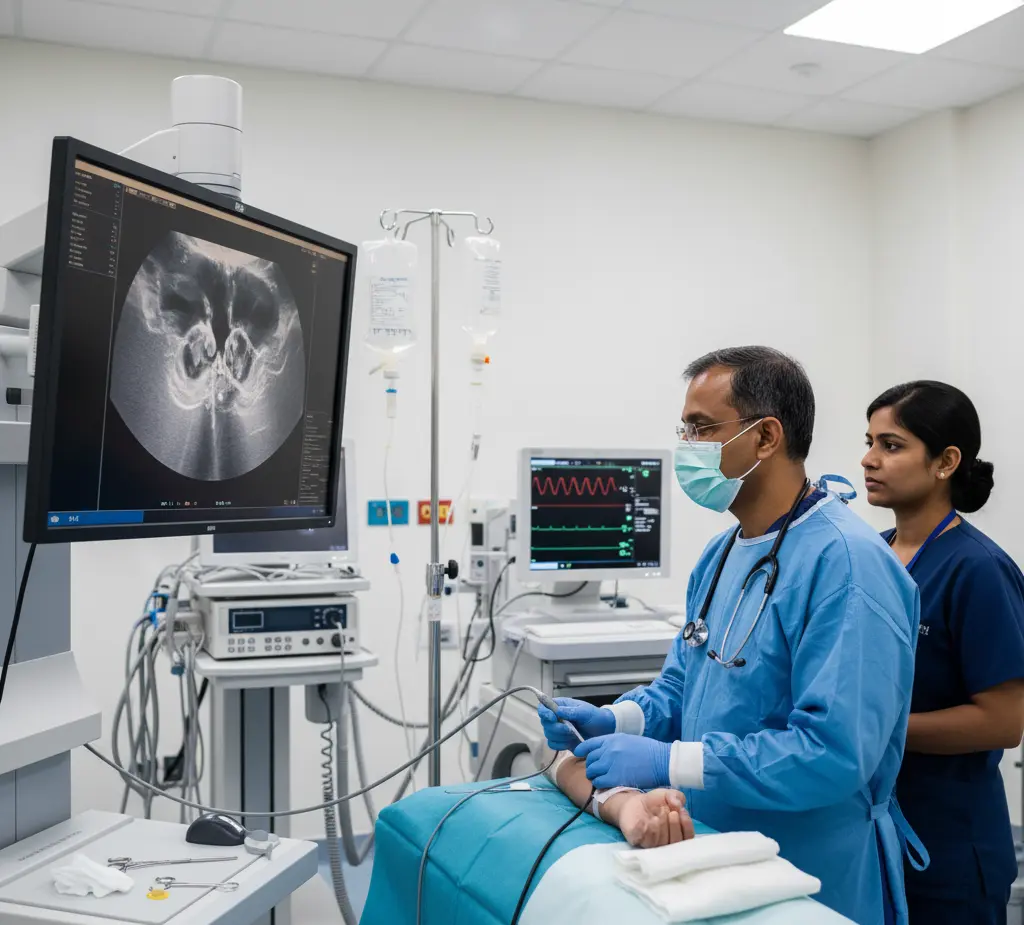
Interventional Nephrology is a specialized branch of kidney care where nephrologists perform minimally invasive procedures to diagnose, protect, and restore kidney function. Instead of relying only on medicine or surgery, interventional nephrologists use advanced tools, imaging, and catheter-based techniques to:
- Maintain dialysis access
- Insert dialysis catheters
- Perform kidney biopsies
- Manage complications
- Support critically ill patients
- Deliver advanced blood-purification therapies
It brings expert procedures, faster treatment, and greater safety directly under the nephrologist who knows the patient best. This results in quicker decisions, fewer hospital visits, smoother dialysis, and better outcomes. Interventional Nephrology is the future of kidney care, and RenaCare proudly brings it to every patient with excellence.
Why Interventional Nephrology Matters
Kidney patients often require repeated procedures for access, diagnosis, and dialysis support. Interventional Nephrology ensures these procedures are done:
- Quickly
- Safely
- With precision
- Under nephrologist supervision
This reduces complications and improves long-term kidney outcomes.
Key Interventional Nephrology Services at Renacare
- Kidney Biopsy
Precise Diagnosis. Gentle Technique. Fast Recovery. - Dialysis Catheter Insertions
Safe & Sterile Access for Hemodialysis. - AV Fistula Evaluation & Surveillance
Protecting the Lifeline of Every Dialysis Patient. - PD Catheter Placement & Care
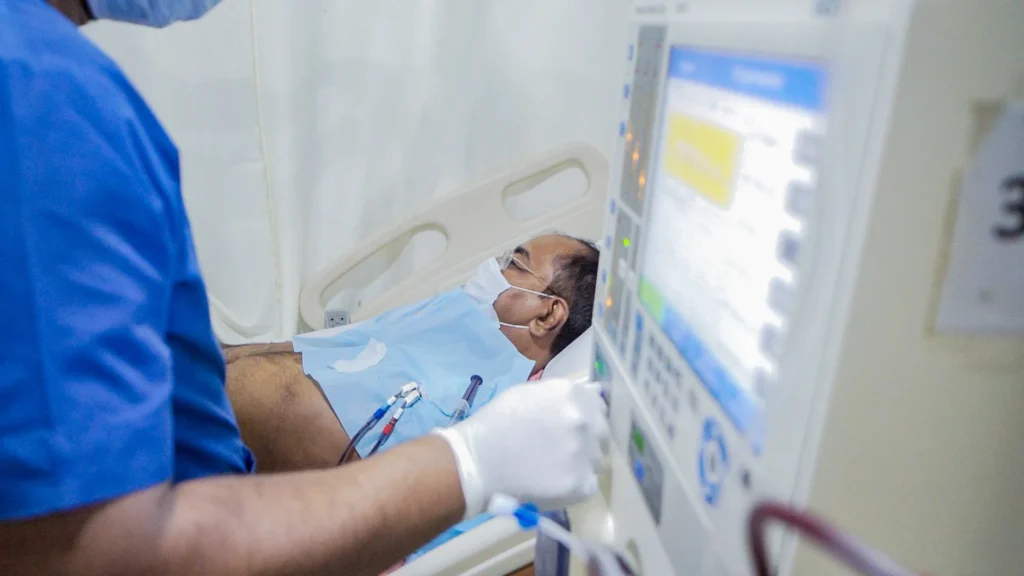
Enabling Safe and Comfortable Home-Based Dialysis. - TPE, Plasmapheresis, SLED & CRRT
Advanced Therapies for Critically Ill Patients. - Renal Ultrasound & Point-of-Care Imaging
Fast, Accurate Decisions Right at the Bedside.
The Renacare Interventional Nephrology Advantage
- Nephrologist-led procedures for safer outcomes
- Ultrasound-guided accuracy
- Strict aseptic protocols
- Faster diagnosis and treatment
- Integrated with dialysis, ICU, and emergency teams
- Better comfort, quicker recovery, fewer complications